Museums Confront the Climate Challenge
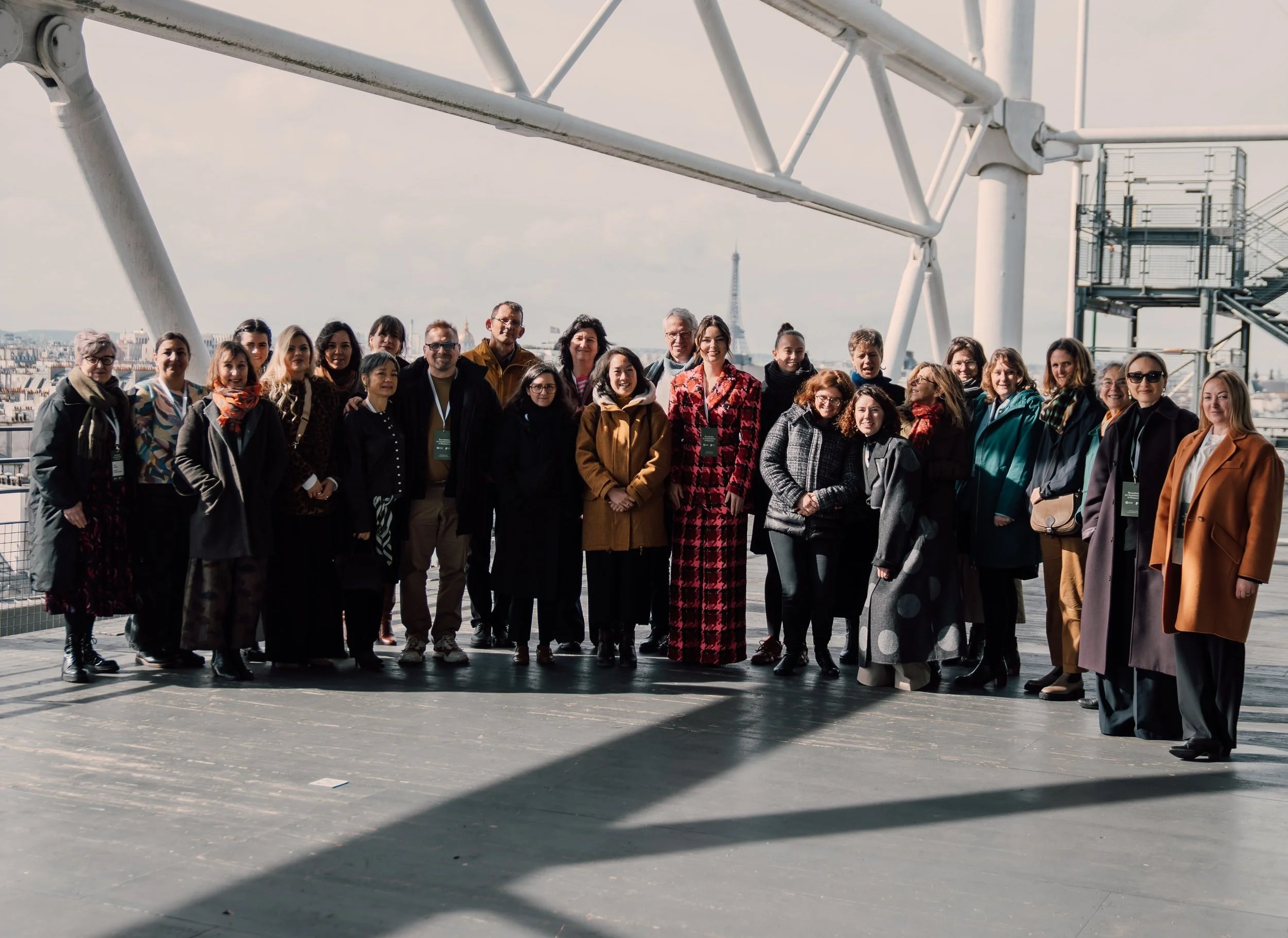
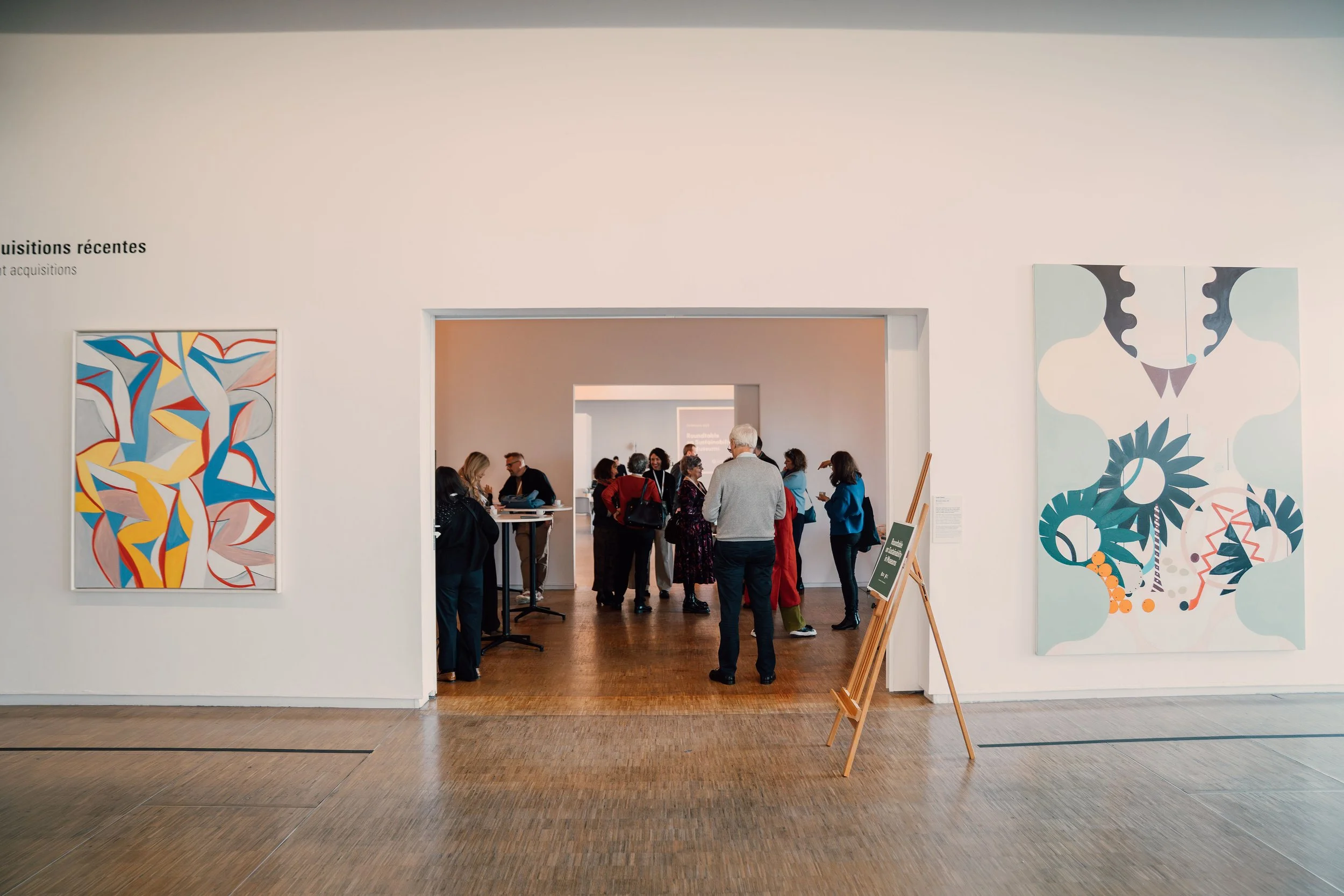
Museum leaders at the Centre Pompidou
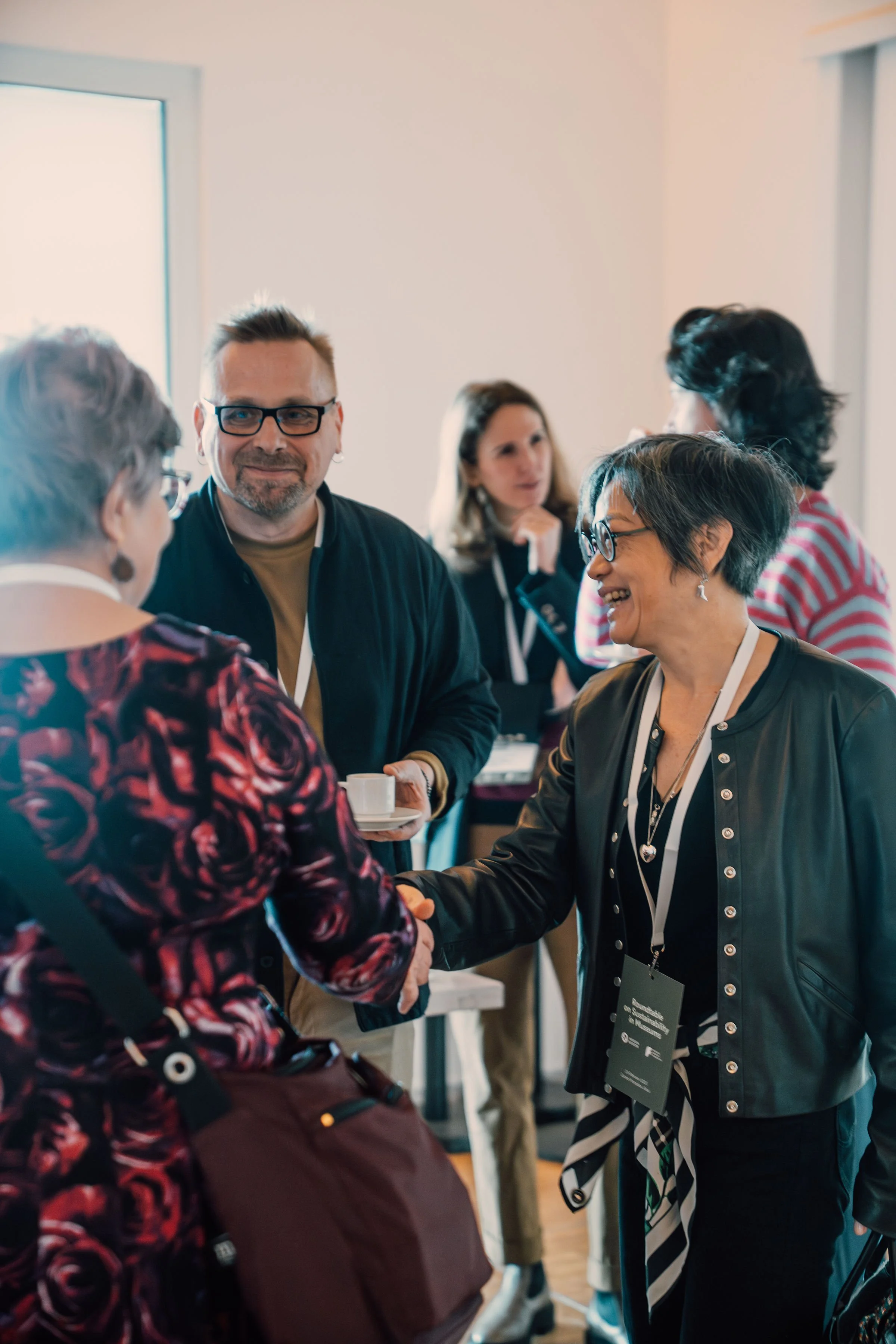
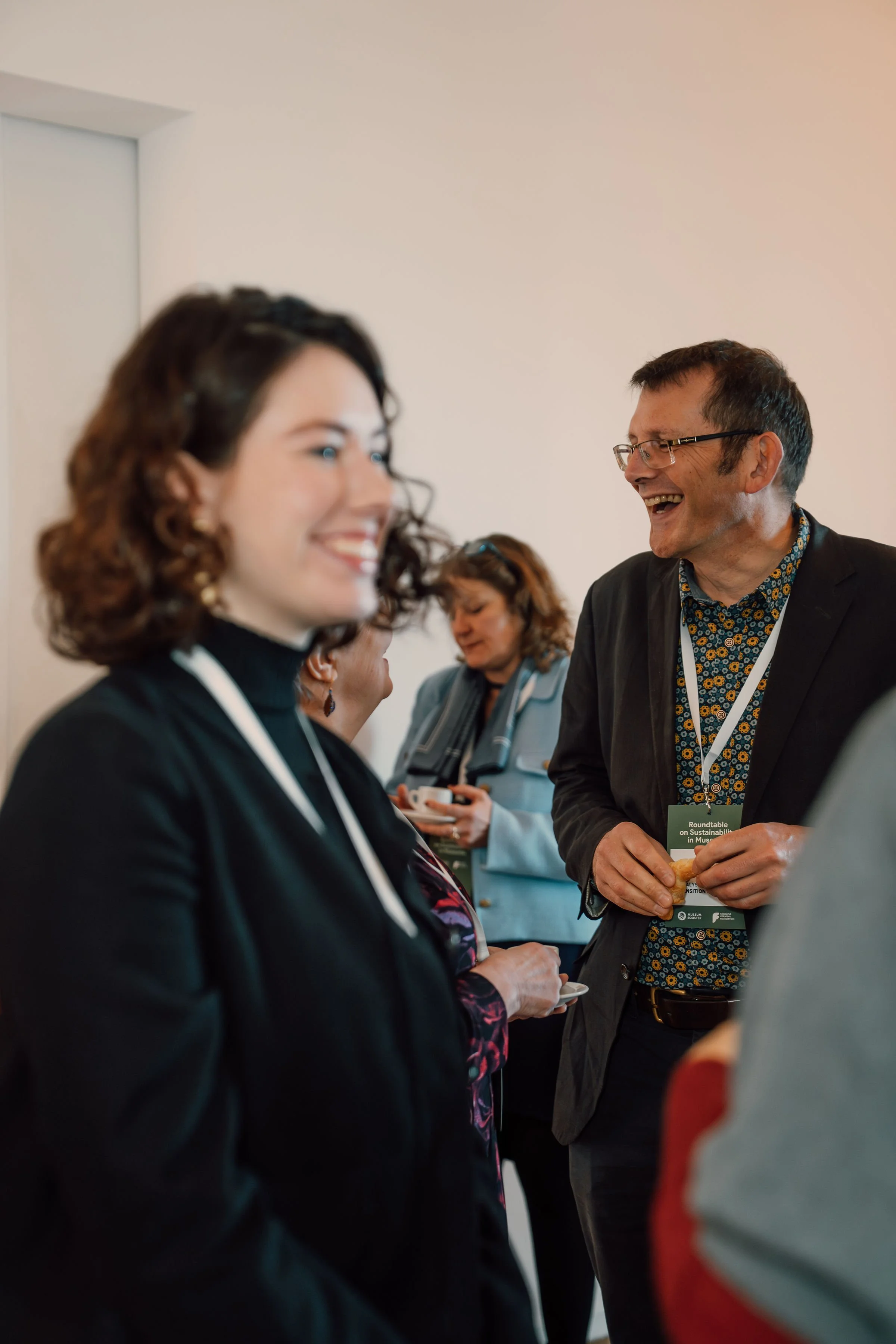
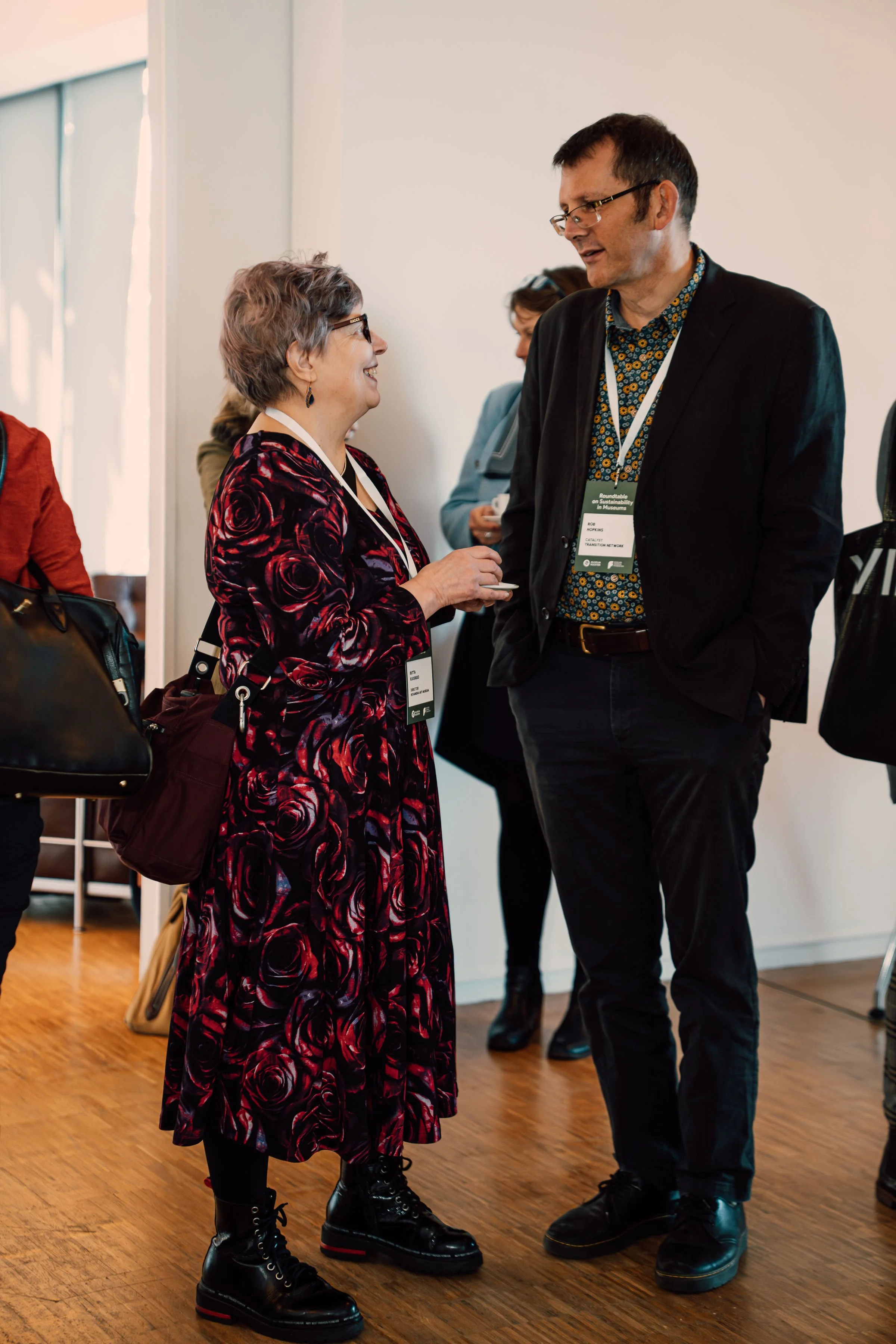
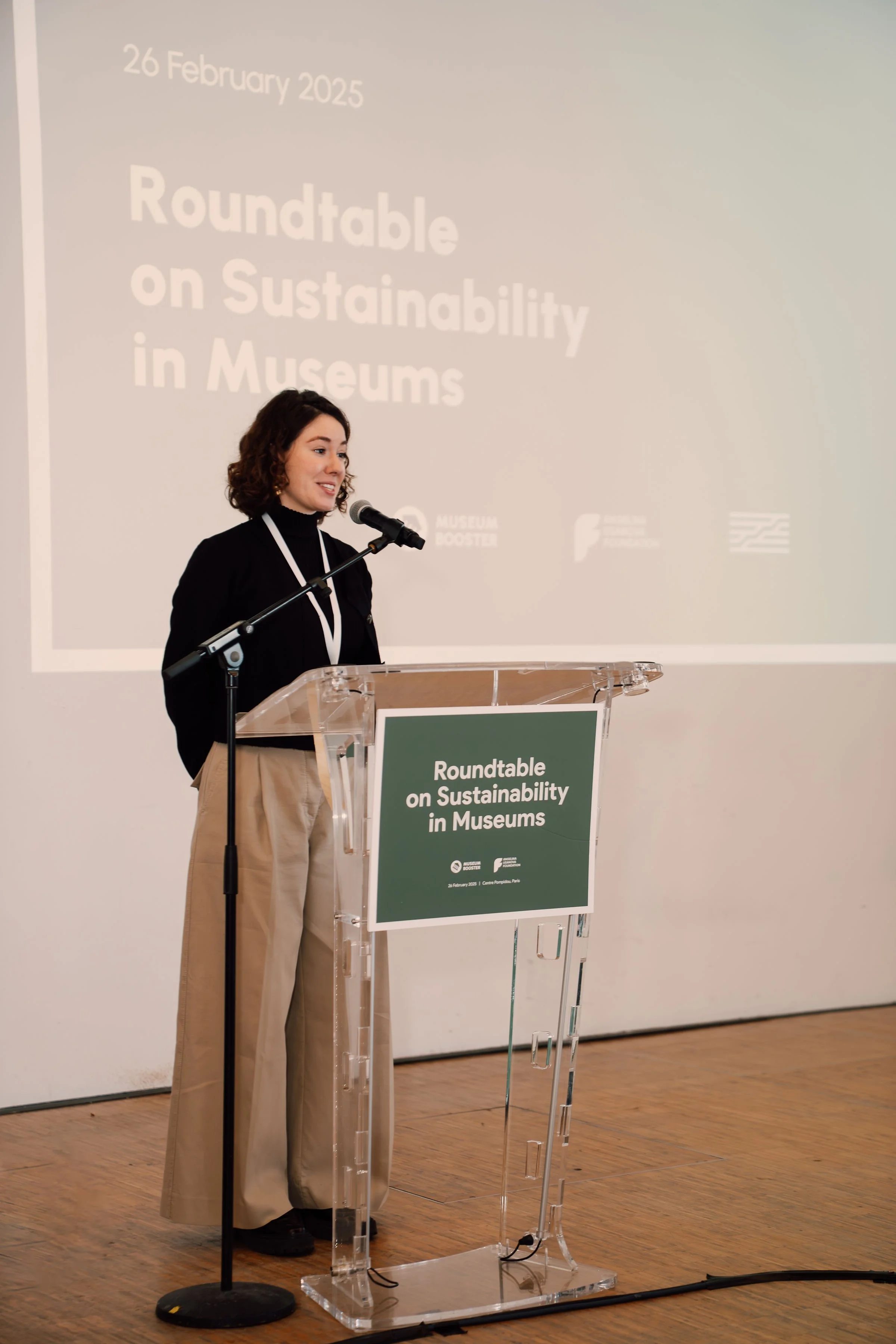
On 26 February 2025, cultural leaders gathered at the Centre Pompidou for a roundtable on sustainability in museums. The meeting, organised by Museum Booster with support from the Angelina Usanova Foundation, brought together 35 directors, curators and environmental experts. Their aim was to consider how museums can cut their environmental footprint without weakening their artistic or educational work.
Much of the discussion focused on the idea that museums should act, not only speak. Several participants argued that cultural institutions have influence beyond their exhibitions. By changing how they manage energy, materials and transport, they can set an example for their visitors and their cities.
Another theme was the role of imagination. Museums, some said, can serve as “pop-up futures”—places where people can try out new ideas about how a sustainable society might function. This is not only about new technologies but about showing visitors that different ways of living are possible.
Practical measures were also on the table: energy-efficient systems, greener purchasing, and circular-economy models for handling materials. Many agreed that progress will require stronger links with scientists, urban planners and policymakers.
Examples from the field added weight to the debate. The Serlachius Museums in Finland described their ISO 14001-certified strategy, which uses geoenergy, solar power and low-carbon transport options. The Centre Pompidou outlined its own roadmap, which brings eco-design into future exhibitions and aligns the museum with national climate goals.
A “What If?” session led by Rob Hopkins closed the day. It invited participants to imagine museums as climate-action centres, community refuges during crises, or even as a kind of “Ministry of Imagination.”
The meeting ended with a clear message: museums cannot rely on statements alone. As climate change accelerates, they have a chance—and perhaps an obligation—to help reshape how communities respond.